11000人交流群欢迎你加入:https://telegram.me/gwvpsceping
With the growing importance of internet security, single-domain SSL certificates have become a standard for websites. They help encrypt data and enhance user trust. However, with so many SSL certificate options available on the market and a wide price range, many website owners and businesses feel confused when choosing. So, how much does a single-domain SSL certificate cost per year? How do prices vary across different brands? And how can you choose a cost-effective certificate? This article provides a detailed breakdown and recommends suitable purchasing channels.
Price Range of Single-Domain SSL Certificates
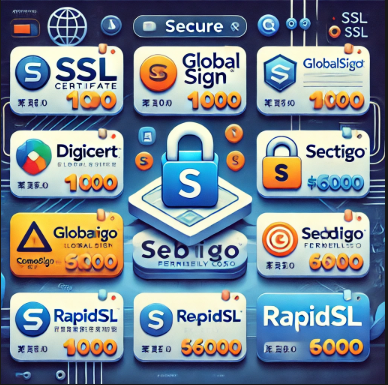
Prices vary depending on the brand, encryption level, and additional services. Below are reference prices for common SSL brands:
- RapidSSL: Suitable for personal websites and small blogs, priced around $30/year, with fast issuance and basic encryption protection
- Comodo(Sectigo): Affordable pricing ranging from $15 to $150 per year, ideal for small and medium-sized business websites, with upgrade options to wildcard certificates
- GlobalSign: Priced between $150 and $300 per year, offering mid-to-high-end encryption suitable for enterprise users
- DigiCert: A premium SSL brand, priced between $300 and $900 per year, ideal for industries with high security requirements such as finance and e-commerce
Tips for Buying a Single-Domain SSL Certificate
1. Choose official or authorized resellers
Official channels usually have higher prices but offer reliable after-sales support. To reduce costs, you can consider reputable resellers that provide certificates from major Certificate Authorities (CAs) such as DigiCert, GeoTrust, and Sectigo, with transparent pricing and solid technical support.
2. Look for promotional deals
Many SSL providers offer seasonal discounts. Some platforms frequently run promotions, with certain certificates available at very low prices, making them ideal for long-term website operators looking to save costs.
3. Choose based on your website type
For personal blogs or simple business websites, DV certificates from RapidSSL or Sectigo are usually sufficient. For e-commerce or financial websites, it is recommended to choose high-end EV certificates from DigiCert or GlobalSign for stronger encryption and identity verification.
Frequently Asked Questions
1. Can a single-domain SSL certificate protect multiple subdomains?
No. A single-domain SSL certificate only protects one specific domain (e.g., example.com) and does not cover subdomains. To secure multiple subdomains, you need a wildcard SSL certificate.
2. What is the difference between free and paid SSL certificates?
Free SSL certificates (such as :contentReference[oaicite:4]{index=4}) are suitable for personal blogs or small websites but have shorter validity periods and lack business identity verification. Paid SSL certificates offer longer validity, stronger encryption, and organization validation, making them more suitable for commercial use.
3. How do I install an SSL certificate after purchase?
The installation process varies depending on your server environment. Most resellers provide free technical support to assist users with installation.
4. Are there discounts for multi-year SSL purchases?
Yes. Some providers offer discounts for multi-year purchases (e.g., 2–3 years), which is a cost-effective option for long-term use.
Conclusion
The price of a single-domain SSL certificate ranges from about $15 to $900 per year, depending on the brand and features. Individual website owners can choose cost-effective options like Sectigo or RapidSSL, while enterprise users may prefer premium brands like GlobalSign or DigiCert. When purchasing, it is recommended to choose trusted providers, take advantage of promotions, and select a certificate that matches your website’s needs to ensure both security and user trust.